
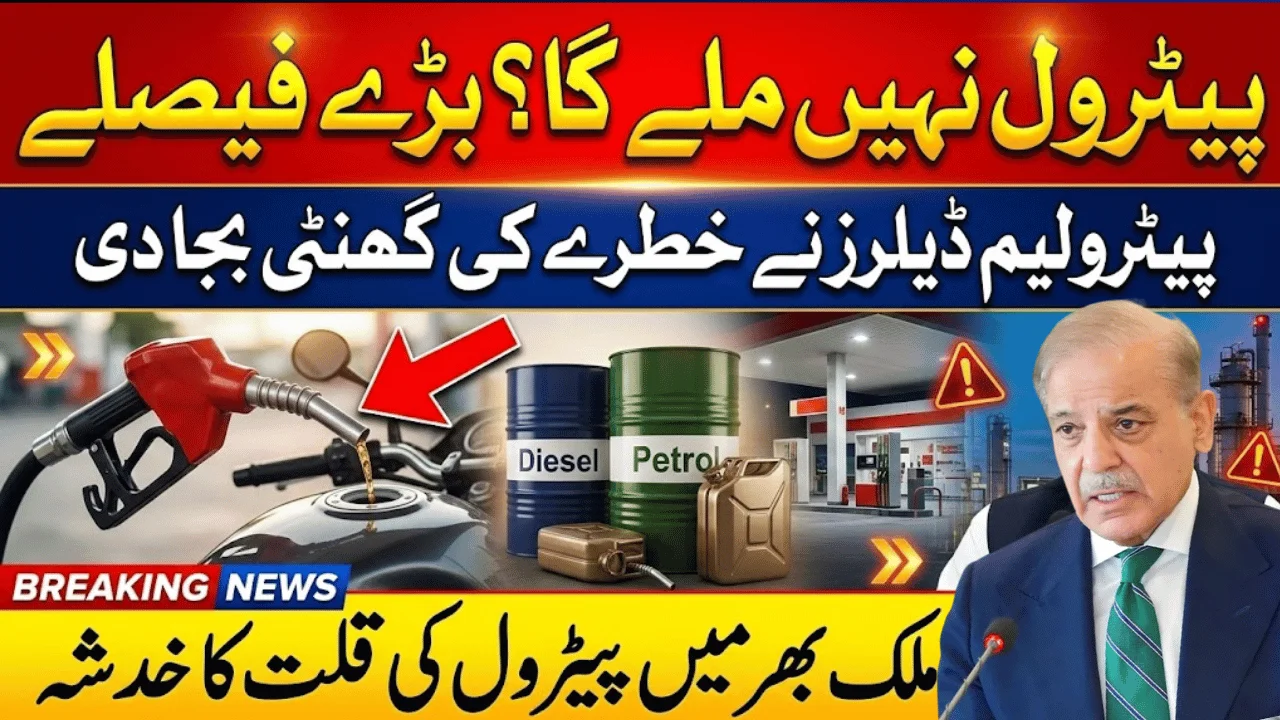
In recent weeks, many citizens across Pakistan have started hearing alarming claims about a possible Pakistan fuel shortage. Social media posts, local news reports, and statements from fuel dealers have created confusion about whether the country is truly running out of petrol and diesel.
Fuel shortages are not just an inconvenience. They can affect transportation, supply chains, food prices, and daily commuting for millions of people. When fuel availability becomes uncertain, even rumors can trigger panic buying and long queues at petrol stations.
So what is the real situation in 2026? Is Pakistan actually facing a fuel crisis, or are these concerns exaggerated?
This article breaks down the current fuel supply situation, the reasons behind shortage fears, the economic impact, and what citizens should realistically expect in the coming weeks.
Understanding the Pakistan Fuel Supply System
Before analyzing the shortage concerns, it is important to understand how fuel reaches consumers in Pakistan.
The fuel supply chain involves several key stages:
-
International crude oil imports
-
Local refining and storage
-
Distribution through oil marketing companies
-
Delivery to petrol pumps
-
Retail sale to consumers
If disruption occurs at any stage — import delays, transportation problems, or storage shortages — the effect can be seen quickly at petrol pumps.
Why Pakistan Fuel Shortage Concerns Are Rising
Several factors have contributed to growing concerns about fuel availability.
1. Reduced Supply to Petrol Pumps
Fuel dealers in different cities have reported that deliveries to retail stations have been lower than usual in recent days.
When petrol pumps receive less fuel than normal, the supply available for customers decreases, which can lead to:
-
Limited stock at stations
-
Temporary pump closures
-
Long waiting lines

Even short-term disruptions can trigger widespread concern.
2. Distribution Challenges in the Supply Chain
Sometimes the issue is not a lack of fuel in the country but delays in distribution.
For example:
-
Tanker transportation delays
-
Logistics issues between depots and stations
-
Temporary storage bottlenecks
In such cases, petrol may exist in storage depots but not reach retail stations quickly enough.
3. Market Behavior and Panic Buying
Fuel shortages can also become worse when consumers start panic buying.
For example:
-
People filling multiple fuel tanks
-
Businesses stockpiling diesel
-
Transport operators buying larger quantities
This sudden surge in demand can temporarily exhaust petrol pump supplies even when overall reserves are sufficient.
Official Position on Pakistan Fuel Supply
Regulatory authorities have stated that the country currently holds enough fuel reserves to meet several weeks of consumption.
Government agencies responsible for petroleum regulation monitor fuel storage levels and imports to ensure supply stability.
Key points often highlighted by officials include:
-
Existing fuel reserves are adequate
-
Imports are continuing
-
Retail shortages are mostly temporary distribution issues
This means the situation may not necessarily represent a national fuel crisis.
Impact of Pakistan Fuel Shortage Rumors
Even rumors of a shortage can have serious consequences.
Transportation Sector
Public transport and logistics companies rely heavily on diesel. If fuel becomes scarce, the effects may include:
-
Higher transport fares
-
Reduced bus and truck operations
-
Delays in goods delivery
Food Prices and Supply Chains
Fuel plays a major role in transporting agricultural goods from farms to markets.
A disruption could lead to:
-
Increased food prices
-
Delayed supply of fresh produce
-
Higher distribution costs for businesses
Daily Commuting Challenges
Millions of Pakistanis rely on motorcycles and cars for commuting.
Fuel uncertainty can cause:
-
Long queues at petrol stations
-
Limited daily fuel supply
-
Increased travel stress for workers and students

Fuel Supply Situation Compared to Previous Years
Pakistan has experienced fuel supply concerns several times before, usually due to import delays or regulatory issues.
| Year | Situation | Outcome |
|---|---|---|
| 2020 | Supply chain disruption | Temporary shortages |
| 2022 | Price adjustments and panic buying | Stabilized within weeks |
| 2024 | Logistics delays | Distribution normalized |
| 2026 | Current concerns | Monitoring ongoing |
In most cases, shortages were short-term and resolved once supply chains stabilized.
How the Government Manages Fuel Availability
To avoid long-term shortages, authorities use several strategies:
Strategic Fuel Reserves
The government maintains national reserves designed to support fuel supply during emergencies.
Import Planning
Petroleum imports are scheduled months in advance to ensure consistent availability.
Market Monitoring
Regulators monitor:
-
Oil marketing companies
-
Storage depots
-
Distribution networks
This oversight helps detect potential supply disruptions early.
Practical Advice for Citizens During Fuel Shortage Concerns
When rumors about a Pakistan fuel shortage circulate, consumers should respond calmly and avoid unnecessary panic.
Smart Steps to Take
-
Buy fuel only when needed
-
Avoid storing fuel at home
-
Use public transport when possible
-
Monitor official announcements
Panic buying often worsens temporary supply issues.

Pros and Cons of Pakistan’s Fuel Supply System
Advantages
-
Established national fuel import system
-
Strong distribution network across cities
-
Government monitoring through regulatory authorities
Challenges
-
Heavy reliance on imported fuel
-
Logistics disruptions in remote areas
-
Price volatility linked to global oil markets
Reducing dependence on imports remains one of Pakistan’s long-term energy challenges.
2026 Energy Trends Affecting Fuel Supply
Several broader trends are shaping Pakistan’s energy sector in 2026.
Rising Global Oil Prices
International oil market fluctuations directly influence Pakistan’s fuel costs and imports.
Growth of Alternative Energy
Electric vehicles and renewable energy projects are slowly reducing reliance on petroleum.
Digital Monitoring of Fuel Distribution
New monitoring systems allow authorities to track petroleum supply more efficiently.
Frequently Asked Questions (FAQs)
Is Pakistan currently running out of petrol?
No official confirmation suggests that the country is running out of fuel. Authorities say reserves are sufficient for current consumption.
Why are some petrol pumps running out of fuel?
Temporary supply or distribution delays can cause local shortages even when national reserves are stable.
Should people start storing petrol?
No. Fuel storage by individuals can be dangerous and may worsen supply problems.
How long do Pakistan’s fuel reserves usually last?
Authorities typically maintain several weeks of reserves while new imports continue arriving.
What sectors are most affected by fuel shortages?
Transportation, logistics, agriculture, and daily commuting are the sectors most affected.
Conclusion
The recent discussion around a Pakistan fuel shortage highlights how sensitive energy supply is to distribution challenges and public perception. While reports of limited supply at some petrol pumps have raised concerns, official sources indicate that the country still holds sufficient fuel reserves.
In many cases, the issue is not a national shortage but temporary disruptions in the supply chain. With proper monitoring, imports, and distribution management, these challenges can usually be resolved quickly.
For citizens, the most important approach is to stay informed through official updates and avoid panic buying, which can unnecessarily worsen the situation.
Latest Updates