
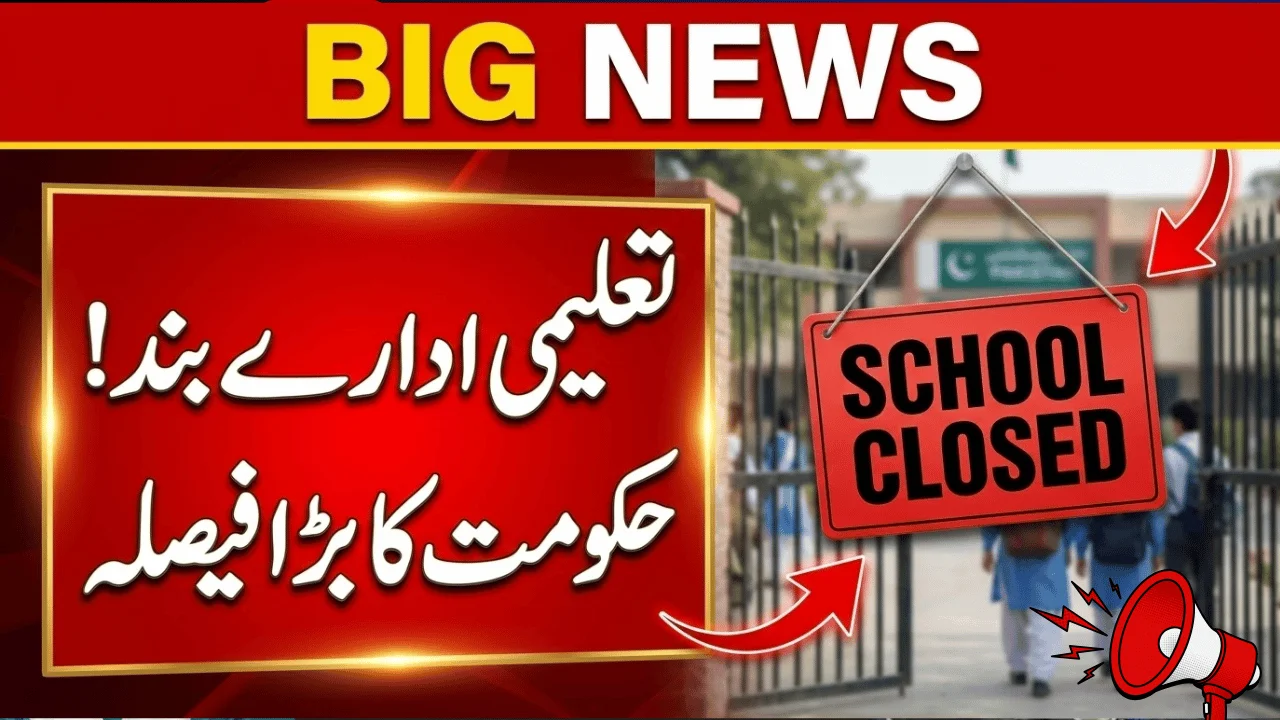
Unexpected disruptions in education can create confusion for students, parents, and teachers. When a government suddenly announces the closure of schools and universities, the immediate questions are always the same: Why were institutions closed? How long will the closure last? What will happen to exams and classes?
Recently, the Punjab government ordered the closure of all schools, colleges, and universities across the province from March 10 to March 31, 2026. The decision affects millions of students studying in both public and private institutions.
While classes will temporarily stop on campus, the government has directed educational institutions to continue learning through online classes. At the same time, scheduled examinations will still be conducted as planned.
This guide explains the reasons behind the closure, how it will affect students, what changes to expect in the academic schedule, and practical advice for managing studies during this period.
Punjab Government School Closure Announcement
The Punjab government officially confirmed that all educational institutions across the province will remain closed for several weeks. The announcement includes schools, colleges, and universities operating under provincial administration.
Key Details of the Closure
| Detail | Information |
|---|---|
| Closure Start Date | March 10, 2026 |
| Expected Reopening | March 31, 2026 |
| Institutions Affected | Schools, colleges, universities |
| Classes | Shifted to online learning |
| Exams | Continue as scheduled |
The decision was taken as part of broader administrative measures to address economic and fuel-related pressures affecting the province.
Why Punjab Closed Schools and Universities
Government officials explained that the closure is linked to extraordinary economic conditions and the ongoing fuel situation affecting the region.
Several factors influenced the decision:
1. Fuel Conservation Measures
Rising fuel costs and supply concerns have forced governments to reduce unnecessary consumption. Closing campuses temporarily reduces transportation demand for students, teachers, and administrative staff.
2. Reduced Government Spending
The closure aligns with wider cost-cutting policies designed to lower public sector expenses during economic pressure.
3. Administrative Efficiency
With institutions temporarily closed, authorities can focus on managing essential services and stabilizing economic conditions.

While the situation is temporary, the decision reflects broader economic realities affecting many sectors.
Online Classes Will Continue During the Closure
Although campuses will remain closed, learning will not stop entirely. The government has instructed institutions to shift classes to online platforms during the closure period.
How Online Classes Will Work
Most schools and universities are expected to use:
-
Zoom or Google Meet
-
Learning management systems (LMS)
-
Recorded video lectures
-
Online assignments and quizzes
For many institutions, online learning has already become familiar after the digital shift that began during previous disruptions.
However, students in rural areas may face challenges due to limited internet access.
What Happens to Exams During the Closure?
One of the biggest concerns for students is whether scheduled examinations will be postponed.

According to the government announcement, exams will continue as planned.
What This Means for Students
-
Boards and universities may conduct exams at designated centers
-
Students should regularly check official notices from their institutions
-
Exam dates are unlikely to change unless conditions worsen
Maintaining exam schedules helps prevent delays in academic calendars.
Additional Government Cost-Cutting Measures
The education closure is part of a wider policy effort to reduce public spending and fuel consumption.
Major Measures Announced
| Policy | Purpose |
|---|---|
| Suspension of fuel distribution to ministers | Reduce government fuel expenses |
| 50% reduction in vehicle fuel allowances | Control administrative costs |
| Ban on large protocol convoys | Limit unnecessary travel |
| Single escort vehicle policy | Maintain security while saving fuel |
These steps demonstrate the government’s attempt to address economic pressures across multiple sectors.
Real-World Impact on Students and Families
The temporary closure affects millions of families in Punjab.
Common Challenges
-
Parents managing children at home
-
Students adapting to online classes

-
Internet connectivity issues
-
Concerns about exam preparation
However, many families have become more comfortable with online education after previous disruptions.
Practical Study Tips for Students During Closure
Students should treat this period as an opportunity to strengthen their preparation.
Study Strategies
-
Create a daily study schedule to maintain discipline.
-
Attend online lectures regularly and take notes.
-
Review past exam papers to improve understanding.
-
Stay connected with classmates through study groups.
-
Limit distractions from social media during study hours.
Consistency is key to maintaining academic progress.

Pros and Cons of Temporary School Closures
Advantages
✔ Reduced transportation and fuel consumption
✔ Opportunity to strengthen online learning systems
✔ Time for institutions to improve infrastructure
Challenges
⚠ Internet access problems for some students
⚠ Reduced face-to-face interaction with teachers
⚠ Difficulty maintaining discipline at home
Balancing these factors is essential to ensure learning continues effectively.
FAQs About the Punjab Education Closure
Why did Punjab close schools and universities?
The decision was made due to economic pressures and the need to reduce fuel consumption across the province.
How long will the closure last?
Educational institutions are expected to remain closed from March 10 to March 31, 2026.
Will students still have exams?
Yes. Scheduled examinations will continue according to existing academic plans.
Will classes stop completely?
No. Institutions have been directed to continue online classes during the closure.
When will schools reopen?
If the situation stabilizes, campuses are expected to reopen after March 31, 2026.
Conclusion
The decision by the Punjab government to close schools, colleges, and universities until the end of March reflects broader economic challenges affecting the province. While campuses will remain closed temporarily, the shift to online classes ensures that students can continue their education without major disruptions.
For students, the key priority during this period is to stay focused on studies, attend online classes regularly, and prepare carefully for upcoming exams. By adapting to the temporary changes, students and institutions can minimize the impact of the closure while maintaining academic progress.